maduro
|
Getting your Trinity Audio player ready...
|
Nicolas Maduro: Leadership,Legacy, and Venezuela’s Ongoing Struggle
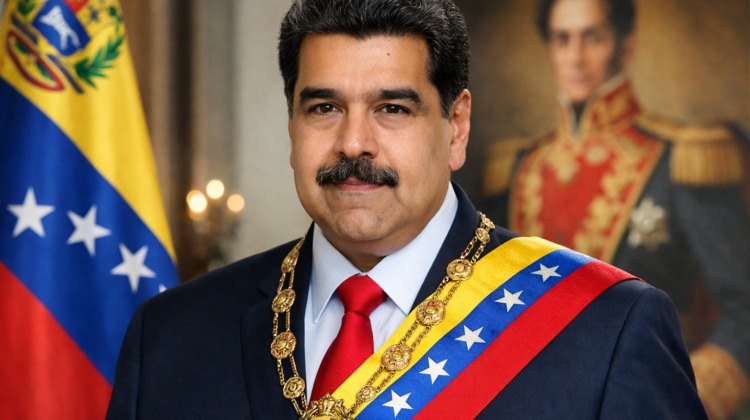
Nicolas Maduro is the current president of Venezuela and one of the most controversial political figures in Latin America.Born on November 23, 1962,in Caracas,Maduro rose from a working-class background to become the successor of Hugo Chavez,the charismatic leader who shaped Venezuela’s modern political identity through his socialist vision known as Chavismo.Maduro’s presidency has been marked by deep economic turmoil, political polarization, and intense international scrutiny.
Before entering national politics, Nicolas Maduro worked as a bus driver and was active in labour unions.His political career gained momentum after Hugo Chavez came to power in 1999. Maduro become a close ally of Chavez and held several important positions, including Foriegn Minister from 2006 to 2013. As foreign minister,he strengthened Venezuela’s ties with countries such as Cuba, China, Russia, and Iran, promoting an anti-U.S. and anti- imperialist stance.
in 2013, following the death of Hugo Chavez, Maduro was elected President of Venezuela in a closely contested election.He promised to continue Chavez’s socialist policies, focusing on wealth redistribution, state control of key industries, and social welfare programs.However,Maduro’s tenure coincident with severaly impacted Venezuela’s oil-dependent economy.Poor economic management, corruption, and heavy state intervention worsened the situation.
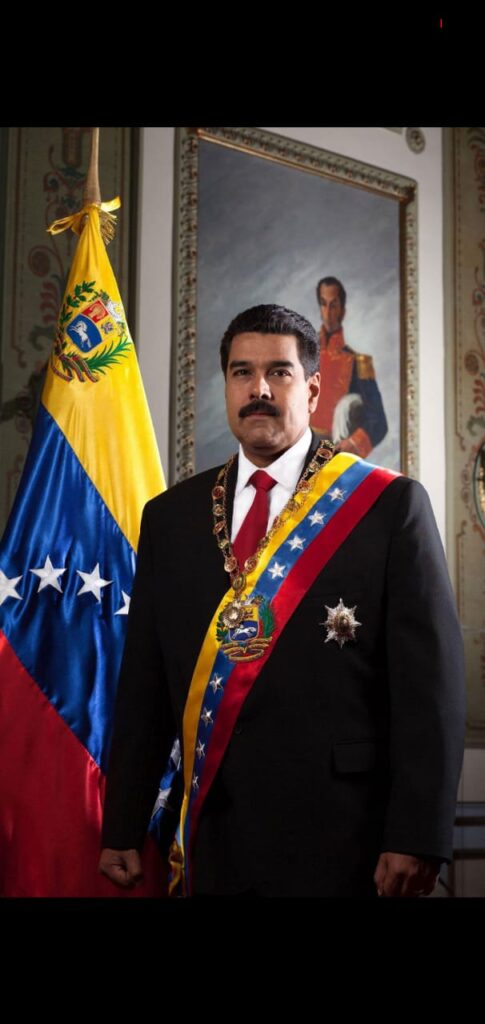
Under Maduro’s leadership, Venezuela experienced hyperinflation, widespread shortage of food and medicine, and the collapse of public services.Millions of Venezuelans were forced to migrate to neighbouring countries and beyond,creating one of the largest humanitarian crises in recent history. Critics blame Maduro’s policies for the economic collapse, while his supporters argue that international sanctions, especially those imposed by the United States, have played a major role in Venezuela suffering.
Politically,Maduro’ government has faced accusations of authoritarianism.Opposition leaders, civil society groups, and international organizations have criticized the suppression of protests, arrest of political opponents, and restrictions on media freedom. The 2018 presidential election,in which Maduro claimed victory,was rejected by several countries as neither free nor fair. This led to a major political crisis, with opposition leader Juan Guaido declaring himself interim president in 2019,gaining recognition from manny Western nations.