Best Diet Chart Plan: A complete healthy eating guide for a fit and active Lifestyle
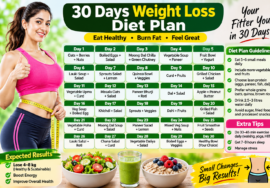
Eating healthy is one of the most important steps toward achieving a fit body, maintaining a healthy weight, and improving overall well-being. However, many people struggle to understand what they should eat throughout the day. Following a balanced diet chart plan can make healthy eating easier, more enjoyable, and more effective.
A good diet plan does not mean starving yourself or avoiding your favourite foods. Instead, it focuses on eating the right foods in the right quantities at the right time. Whether your goal is weight loss, weight maintenance, or better fitness, a balanced diet can help you build healthier habits.
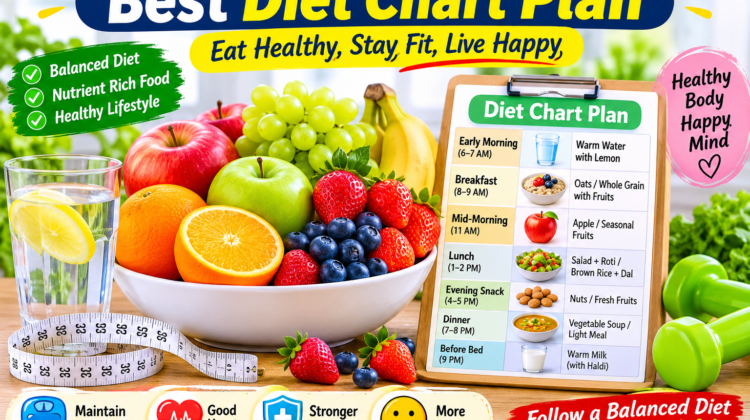
1. Early Morning (6:00 AM – 7:00 AM)
Start your day with a glass of plain water. Staying hydrated after waking up helps maintain normal body functions.
You can also include:
- 5–6 soaked almonds.
- 1–2 walnuts.
- One glass of plain water.
- Fresh fruit if you feel hungry.
Avoid starting your day with sugary drinks or packaged beverages.
2. Healthy Breakfast (7:30 AM – 9:00 AM)
Breakfast provides energy for your morning activities. Choose foods that contain protein, fibre, and healthy carbohydrates.
Best breakfast options:
- Vegetable oats.
- Poha with peanuts.
- Idli with sambar.
- Whole-wheat vegetable sandwich.
- Boiled eggs with whole-wheat toast.
- Besan chilla with curd.
- Vegetable dalia.
Try to include a protein source in your breakfast to help you stay satisfied for longer.
3. Mid-Morning Snack (10:30 AM – 11:30 AM)
A healthy mid-morning snack can help control hunger between meals.
Recommended options:
- One apple or orange.
- Papaya or guava.
- Coconut water without added sugar.
- A small bowl of seasonal fruit.
- Plain buttermilk.
Choose whole fruits instead of packaged fruit juices because whole fruits provide fibre.
4. Healthy Lunch (12:30 PM – 2:00 PM)
Lunch should be balanced and nutritious. Include vegetables, protein, and whole grains in appropriate portions.
Ideal lunch diet chart:
- 2 medium whole-wheat rotis or a moderate serving of rice.
- 1 bowl of dal or rajma.
- 1 bowl of seasonal vegetables.
- 1 small bowl of plain curd.
- Fresh cucumber, carrot, and tomato salad.
You can also include paneer, tofu, chicken, or fish depending on your food preferences.
Try to avoid excessive oil, deep-fried foods, and oversized portions.
5. Evening Snacks (4:00 PM – 5:30 PM)
Evening hunger often encourages people to eat biscuits, chips, and other processed snacks. Replace these with healthier alternatives.
Healthy evening snack ideas:
- Roasted chana.
- Makhana.
- Sprouts chaat.
- A handful of nuts.
- Boiled sweet corn.
- Green tea without added sugar.
- Homemade vegetable soup.
These options can provide fibre, protein, and important nutrients.
6. Healthy Dinner (7:00 PM – 8:30 PM)
Dinner should be nutritious and satisfying without being excessively heavy.
Best dinner options:
- 2 whole-wheat rotis with mixed vegetables.
- Moong dal khichdi with curd.
- Vegetable soup with paneer.
- Dal with a small portion of rice.
- Grilled chicken or fish with vegetables.
- Tofu or paneer with salad.
Choose a dinner portion that suits your hunger and daily energy requirements. Try to maintain a consistent meal schedule.
7. Before Bedtime (9:30 PM – 10:30 PM)
If you feel hungry before sleeping, you may have a small glass of plain milk or another light snack. This is optional and not necessary if you are already satisfied.
Avoid heavy meals, excessive caffeine, and sugary desserts late at night.
8. Important Tips for Following a Healthy Diet Plan
Following a diet chart becomes easier when you develop consistent eating habits.
Here are some important tips:
- Drink Enough Water: Stay hydrated throughout the day. Your water requirements depend on your activity level, climate, and health.
- Eat More Vegetables: Include different coloured vegetables in your daily meals.
- Choose Whole Grains: Prefer whole-wheat roti, oats, brown rice, and other fibre-rich grains.
- Include Protein: Eat dal, beans, eggs, paneer, tofu, fish, or lean meat.
- Reduce Added Sugar: Limit sugary drinks, sweets, and packaged desserts.
- Avoid Excessive Processed Foods: Reduce frequent consumption of chips, fast food, and deep-fried snacks.
- Exercise Regularly: Combine healthy eating with physical activity suitable for your fitness level.
- Get Enough Sleep: Aim for 7–9 hours of sleep every night.
9. Who Can Follow This Diet Chart?
This general balanced diet chart can provide meal ideas for many healthy adults who want to improve their eating habits.
However, the ideal diet depends on age, gender, body weight, activity level, food preferences, and health conditions. People with diabetes, kidney disease, food allergies, pregnancy, or other medical needs should consult a qualified healthcare professional or registered dietitian before following a specific diet plan.
Conclusion
A healthy diet chart plan is not about eating less; it is about eating better. Including fresh fruits, vegetables, whole grains, protein-rich foods, and healthy fats can support your overall health and fitness goals.
Start with small changes, maintain consistency, and choose nutritious foods that you genuinely enjoy. Remember, a healthy lifestyle is built through daily habits rather than quick-fix diets. Eat well, stay active, sleep properly, and give your body the nutrition it deserves!